
Navigating Construction Drawdowns
A guide to ensuring smooth and timely funding throughout the lifecycle of your construction project.
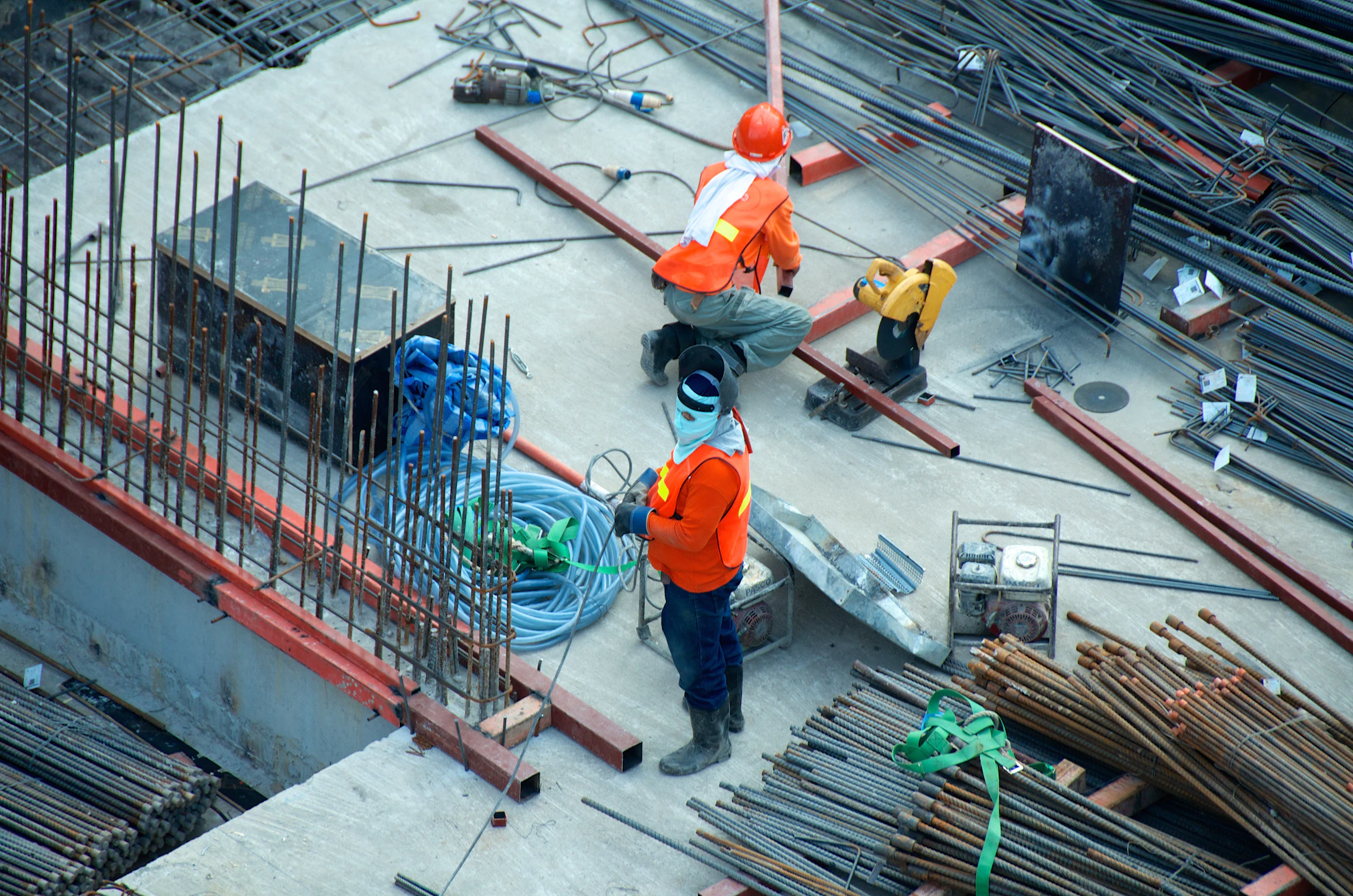
Securing construction finance is only the first hurdle; managing the drawdown process effectively is critical to keeping a project on schedule and avoiding costly delays. A smooth drawdown process requires meticulous planning, clear communication, and a thorough understanding of the lender's requirements.
The Drawdown Process Explained
Unlike a standard property purchase where funds are advanced in a single lump sum, construction loans are drawn down progressively as work is completed. This protects the lender's security position, ensuring they are only funding value that has actually been created on-site.
A typical drawdown cycle involves:
- The Claim: The builder submits a progress claim (invoice) to the developer for work completed to date.
- The QS Report: An independent Quantity Surveyor (QS), appointed by the lender, inspects the site to verify that the work claimed has been completed and is of an acceptable standard. They also assess the "cost to complete" to ensure sufficient funds remain in the facility to finish the project.
- Lender Review: The lender reviews the QS report, the builder's invoice, and any required statutory declarations (e.g., confirming subcontractors have been paid).
- Funding: Once approved, the lender advances the funds, typically directly to the builder.
Common Pitfalls and How to Avoid Them
- Incomplete Documentation: This is the most common cause of delay. Ensure all required documents (invoices, stat decs, variations approvals) are submitted accurately and promptly.
- Cost Overruns and Variations: Unapproved variations can quickly derail a drawdown. All variations must be approved by the lender before the work is undertaken. If a project goes over budget, the developer must typically fund the shortfall from their own equity before further loan funds are released.
- QS Discrepancies: If the QS disagrees with the builder's claim (e.g., assessing the work as only 50% complete when the builder claims 70%), the drawdown will be reduced. Clear communication between the builder and the QS is essential.
- Subcontractor Disputes: Lenders require proof that subcontractors are being paid to avoid liens on the property. Delays in paying subbies can halt the entire funding process.
Best Practices for Developers
- Establish a Rhythm: Set clear, consistent dates for submitting claims and scheduling QS inspections (e.g., the 25th of every month).
- Maintain a Contingency: Always hold a healthy contingency fund (typically 5-10% of the build cost) to absorb unexpected variations without needing to return to the lender for approval.
- Open Communication: Keep the lender informed of any potential issues or delays before they become critical problems.
Conclusion
A well-managed drawdown process is the lifeblood of a successful construction project. By understanding the requirements and maintaining rigorous administrative discipline, developers can ensure their projects remain fully funded and on track.